P.C. Lunia: Creative Genius
Scholar. Craftsman. Visionary. The master jeweller who created sacred art across faiths and blueprints for a better world.
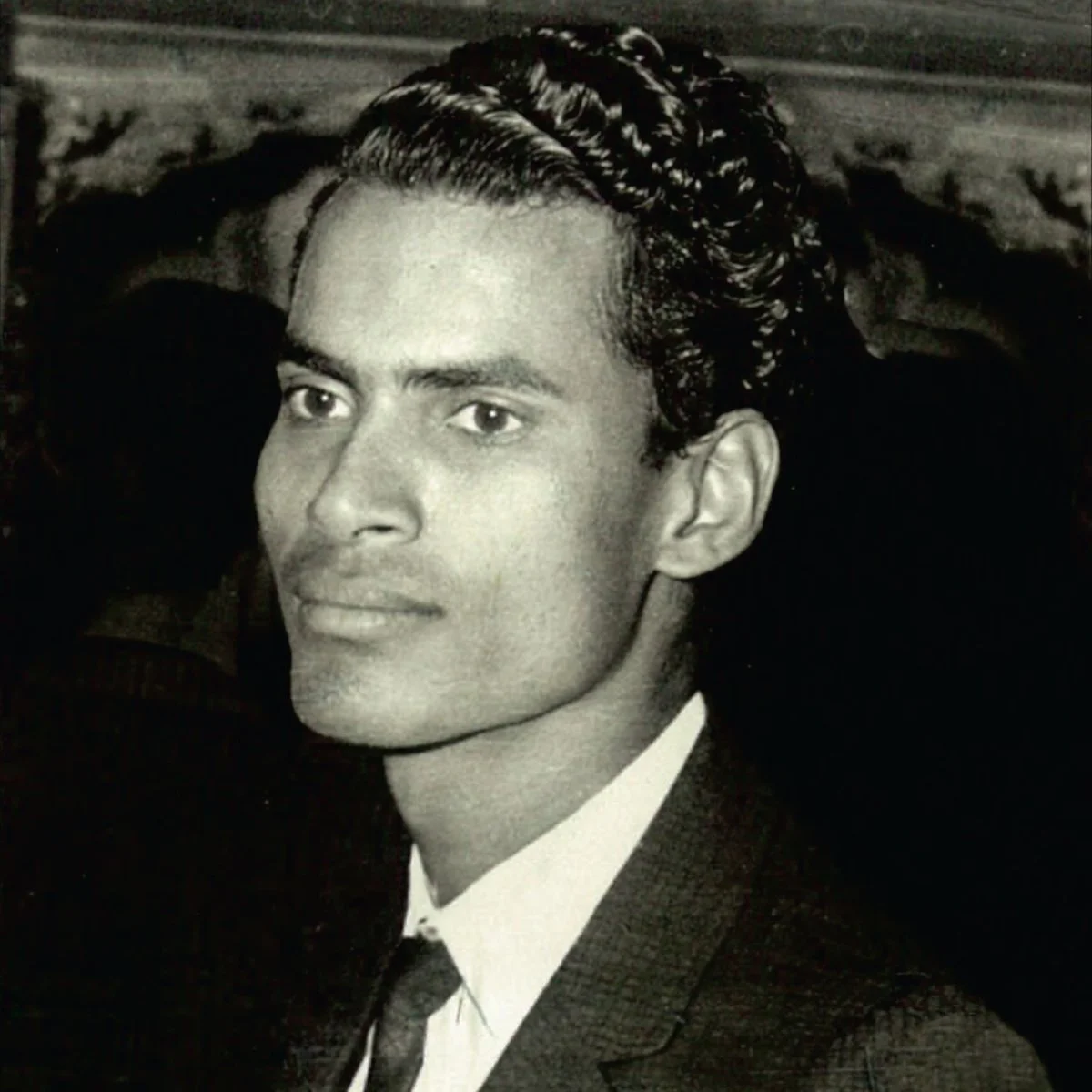
The Lunia family once counted among Jaipur's most prominent. Seth Gulab Chand Lunia was the sole agent for Barclays Bank in pre-independence India. Maharaja Madhu Singh visited their grand haveli.
The Great Depression changed everything. By the time young P.C. Lunia came of age, the family had lost nearly all. At sixteen, he began working at Rambagh Palace—and began to forge his extraordinary path.
"He was very mercurial, very different compared to any other jeweler. Jewelers minded their own business... But he was very utopian."
— Anou Lunia Singhvi
From Jaipur to the World
P.C. Lunia's entrepreneurial instincts were matched only by his audacity. On a single flight, he convinced the Maharana of Udaipur to grant him a shop. He travelled relentlessly—to Tanzania, Bangkok, Hong Kong, and eventually New York, where he established a presence on Fifth Avenue and Park Avenue.
The Scholar
Unlike most in his trade, P.C. Lunia pursued formal scholarship. His PhD research on sapphires brought academic rigor to deep expertise in gemology. He was fascinated by Manimala, an ancient treatise on gemstones he discovered in Geneva.
Technical Revolutionary
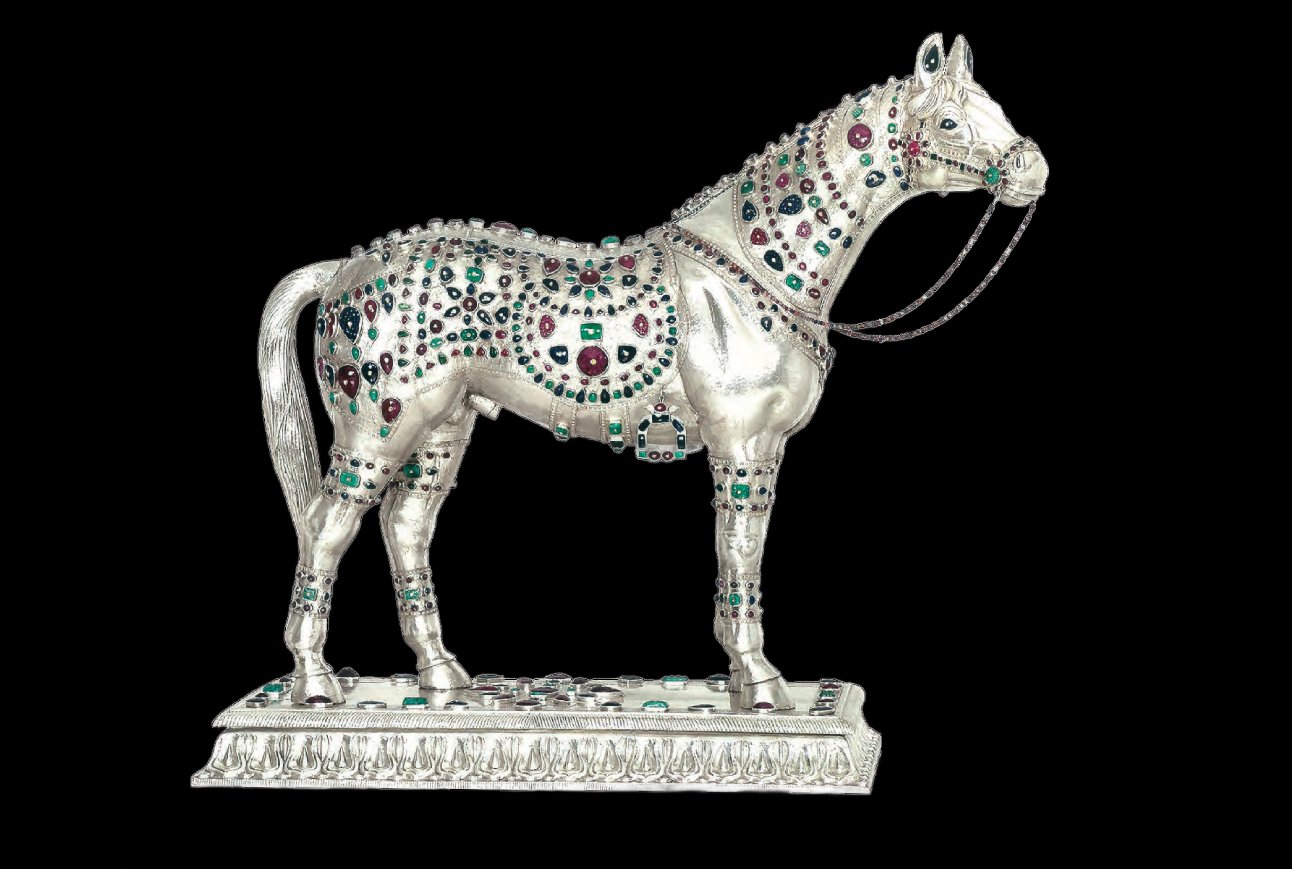
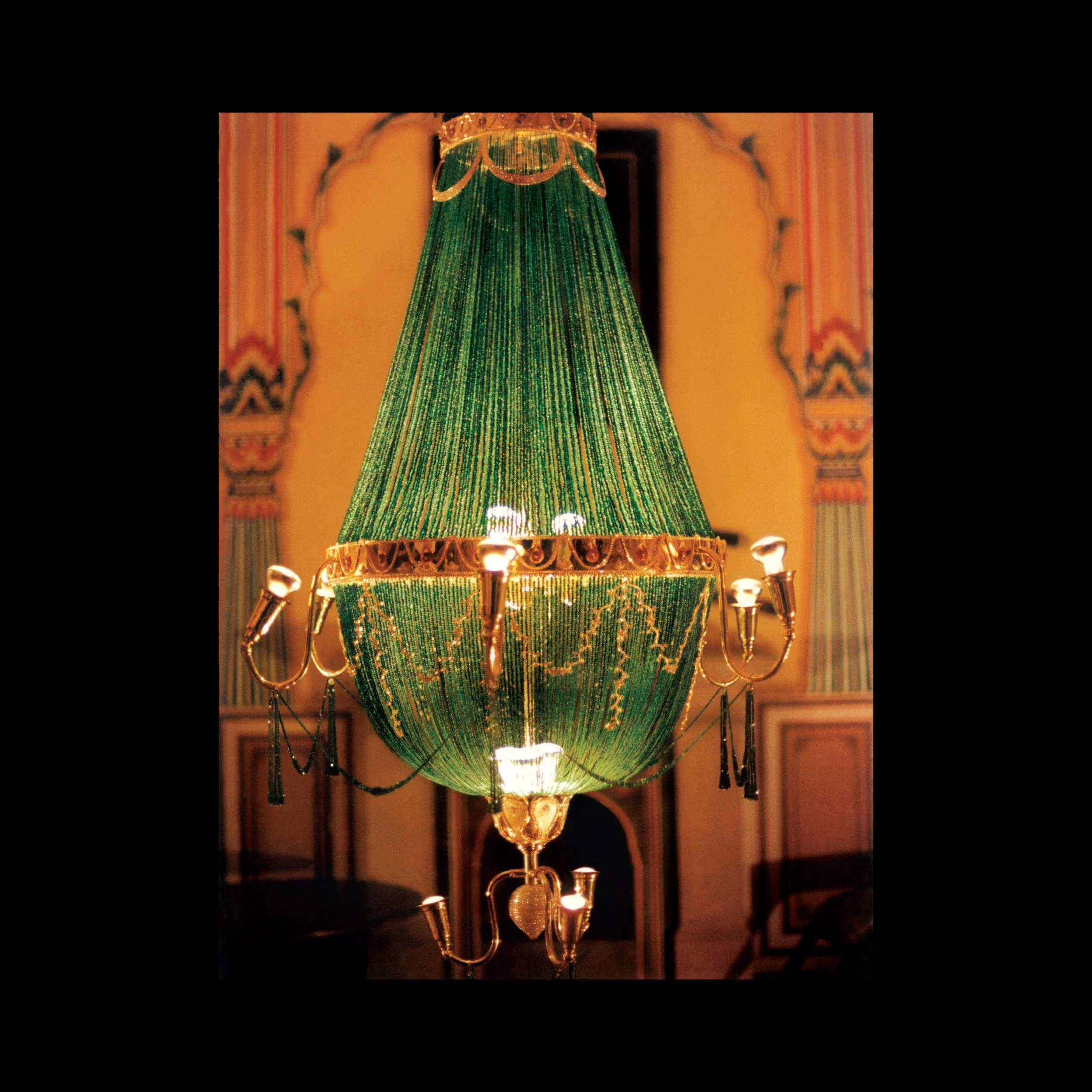
P.C. Lunia transformed the gemstone industry through relentless innovation. He adapted diamond-cutting machines to achieve precision faceting never before possible. He invented the checkerboard cut for textiles. His Rainbow Beads Necklace exemplifies this mastery—revolutionary master lapidarist artistry proving that innovation and beauty are inseparable.
Sacred Art Across Faiths
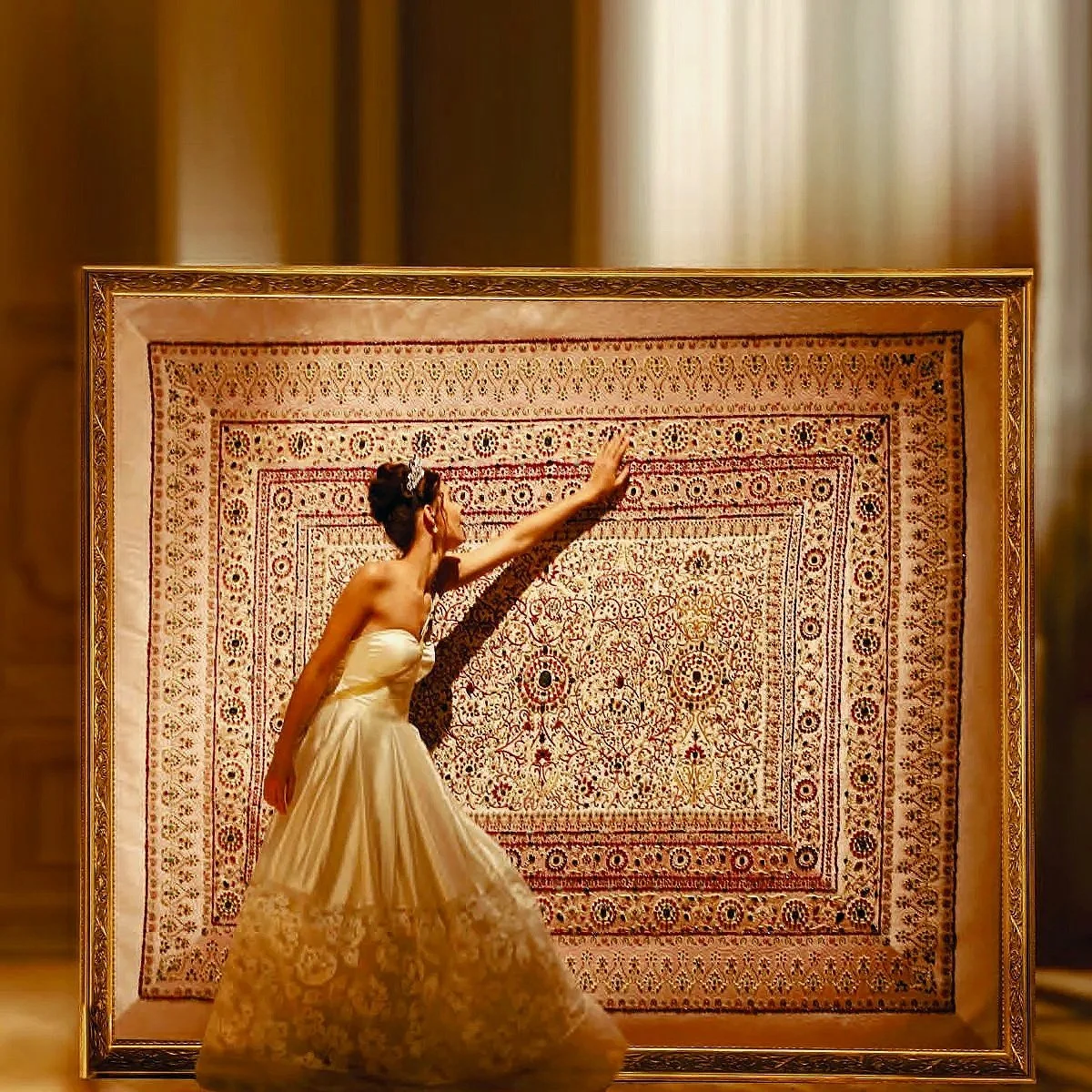
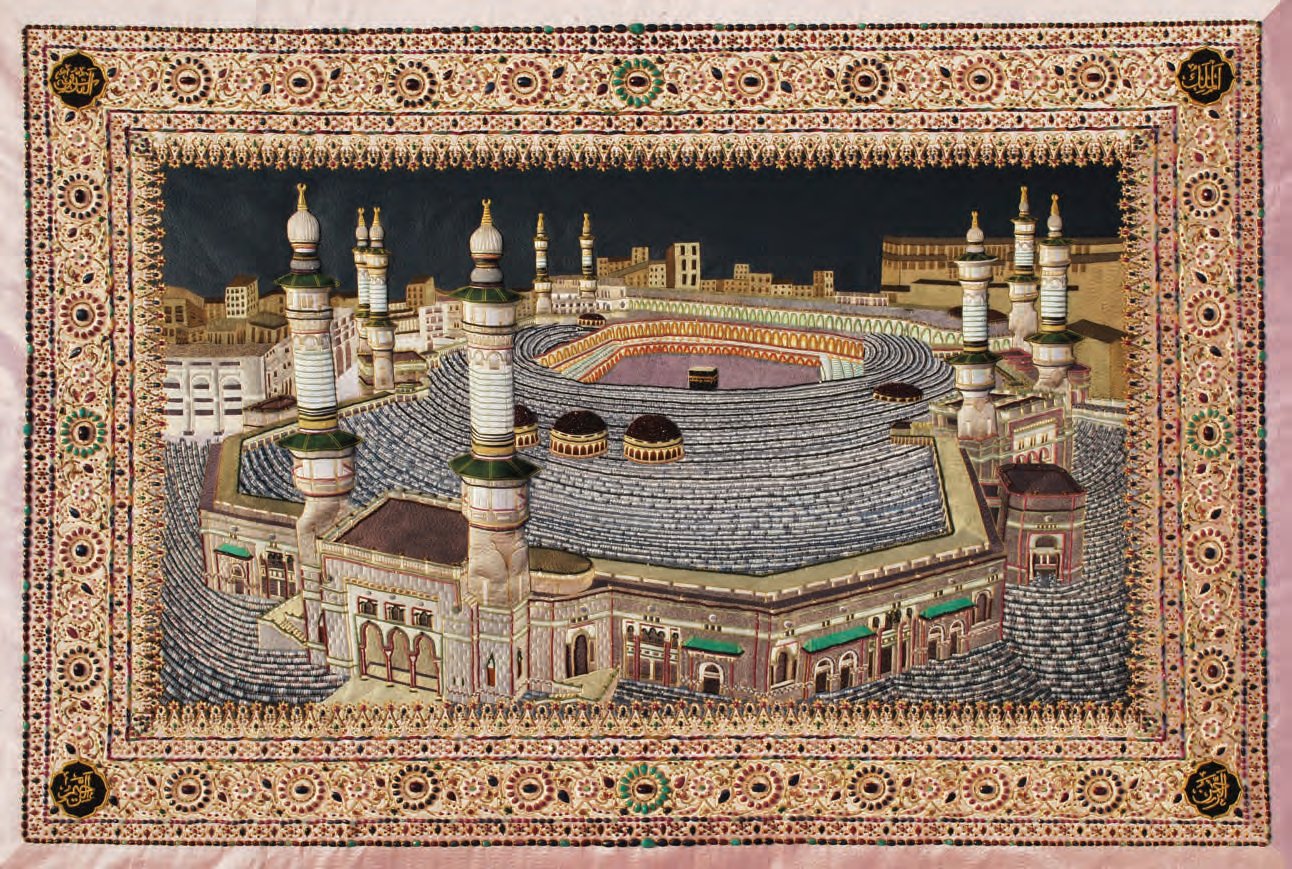
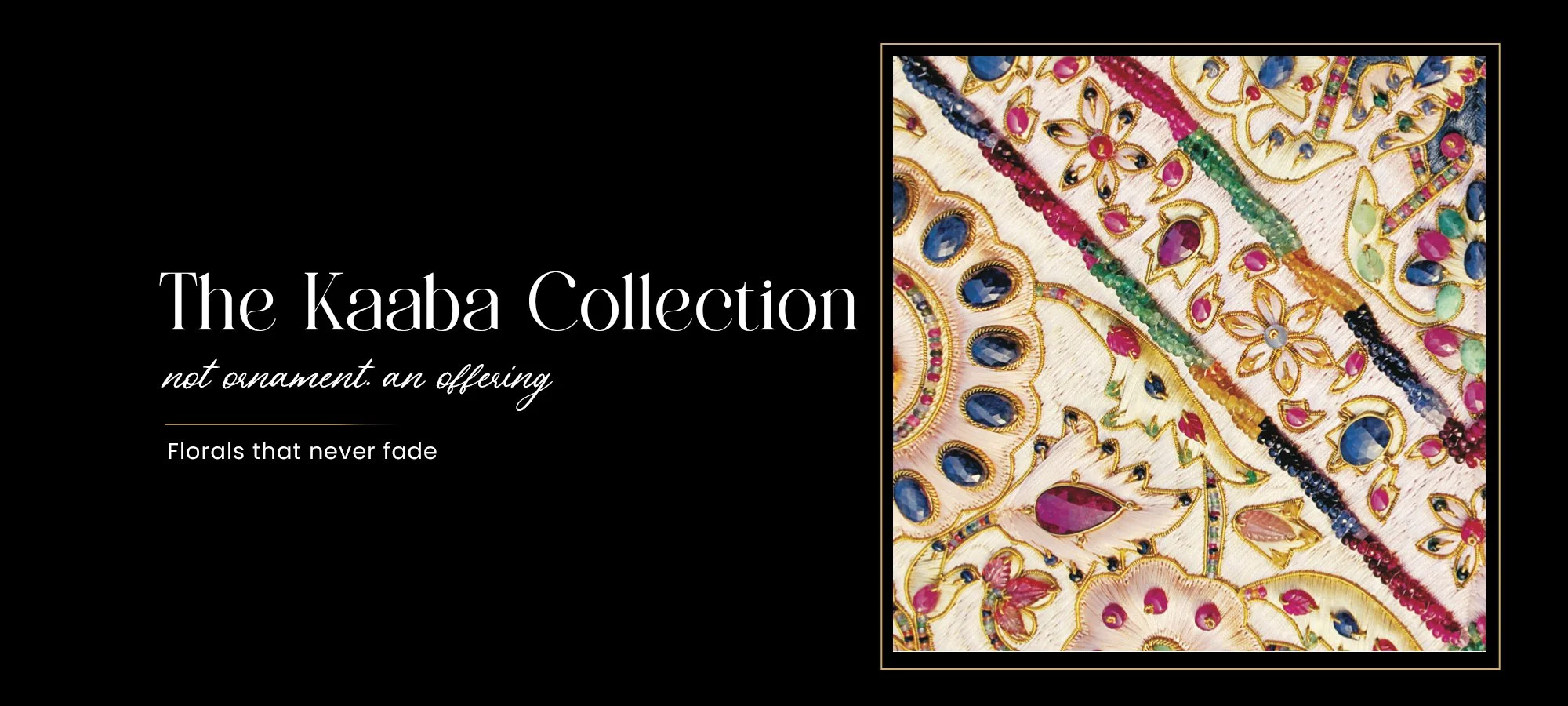
A fakir in Jaipur's Johari Bazaar urged P.C. Lunia to visit the Ajmer Dargah. There, he received inspiration to create a "naayaab"—unique, peerless—rendition of the Kaaba Sharif. The result: the Kaaba Sharif Jewel Tapestry, containing 70,000 carats of precious gemstones. Over two decades to complete.
Vision for a Better World
P.C. Lunia founded the Golden India Foundation. He wrote Golden India, Golden Russia, and Golden America. He authored white papers on employment and the Garland Canal. He fought a parliamentary election against Atal Bihari Vajpayee—not to win, but to share his ideas for India's transformation.